|
The Rise and Fall of the Third Chimpanzee. Evolution and Human LifeAt present it is not clear which of those functions the leopard call fills, or whether it fills a combination of them. Similarly, I was excited when my then one-year-old son Max said 'juice', which I proudly took to be one of his first words. To Max, though, the syllable 'juice' was not just his academically correct identification of a external referent with certain properties, but it also served as a proposition: 'Give me some juice! Only at a later age did Max add more syllables, like 'gimme juice', to distinguish propositions from pure words. Vervets show no evidence of having reached that stage. On the second question of extent of 'vocabulary', even the most advanced animals seem, on the basis of present knowledge, to be far behind us. The average human has a daily working vocabulary of around a thousand words; my compact desk dictionary claims to contain 142,000 words; but only ten calls have been distinguished even for vervets, the most intensively studied mammal. Animals and humans surely do differ in vocabulary size, yet the difference may not be as great as these numbers suggest ...» | Код для вставки книги в блог HTML
phpBB
текст
|
|


 Папка-портфолио для школьника, на 4 кольцах, 20 файлов, 10 вкладышей.
 Подстаканник для прогулочных колясок Peg-Perego Cup holder.



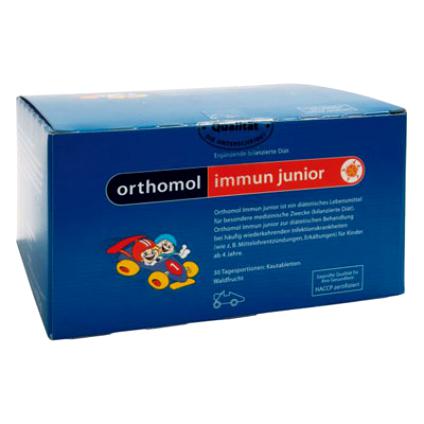 Orthomol Immun Junior Сила иммунитета на страже Вашего ребенка
 Мел белый, 72 штуки.