|
Practical Common LispHowever, if the extended header isn't used, you'd have to use the old algorithm anyway, so it's not worth adding code to do it another way. 278 These flags, in addition to controlling whether the optional fields are included, can affect the parsing of the rest of the tag. In particular, if the seventh bit of the flags is set, then the actual frame data is compressed using the zlib algorithm, and if the sixth bit is set, the data is encrypted. In practice these options are rarely, if ever, used, so you can get away with ignoring them for now. But that would be an area you'd have to address to make this a production-quality ID3 library. One simple half solution would be to change find-frame-class to accept a second argument and pass it the flags; if the frame is compressed or encrypted, you could instantiate a generic frame to hold the data. 279 Ensuring that kind of interfield consistency would be a fine application for :after methods on the accessor generic functions. For instance, you could define this :after method to keep size in sync with the information string: (defmethod (setf information) :after (value (frame text-info-frame)) (declare (ignore value)) (with-slots (encoding size information) frame (setf size (encoded-string-length information encoding nil)))) 280 Readers new to Web programming will probably need to supplement this introduction with a more in-depth tutorial or two ...» | Код для вставки книги в блог HTML
phpBB
текст
|
|


 Подгузники-трусики для девочек Huggies DryNights, 8-15 лет, 9 штук.




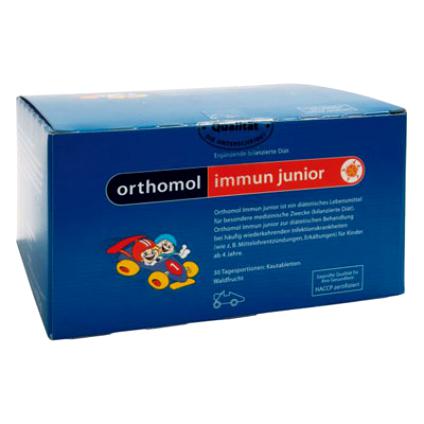 Orthomol Immun Junior Сила иммунитета на страже Вашего ребенка