|
The Knights TemplarAs the brethren were frequently called out of the Temple on knightly business, they were each allowed one horse (although this was later increased to three), and a handful of servants. When away from the Temple, recitation of paternosters replaced hearing the offices. Knights and servants alike were under Hugues’ command, with the whole order being answerable to the Patriarch of Jerusalem. After some debate, the Council, under Bernard’s supervision, drew up what became known as the Latin Rule of the Templars, which was based on the rule described by Hugues in his speech. It consisted of 73 clauses and regulated every aspect of Templar life. In addition to keeping the observances that the Order was already following, the Latin Rule advised the brethren how to admit newcomers to the Order, and how they should be vetted before being sworn in; at what age newcomers could join (boys being advised to wait until they were old enough to bear arms); how long brothers could serve for (which was usually a fixed term before allowing them to return to secular life if they so wished); how to reprimand miscreants and what offences would lead a brother to be expelled from the Order (such as deserting the battlefield, leaving a castle without permission or via an unauthorised exit), and so on ...» | Код для вставки книги в блог HTML
phpBB
текст
|
|


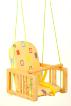 Качели подвесные "Гном".





 Orthomol Immun Junior Сила иммунитета на страже Вашего ребенка