|
The Columbia History of the British NovelThe fact that the dismissal was relegated to a footnote-perhaps the most quoted footnote in modern literary criticism-only emphasizes the magisterial contempt it conveys. Leavis hardly commands the deference today that he once did, and in fact, people went on busily reading and writing about Sterne even in the years of his greatest influence. Yet we cannot dismiss Leavis's few, biting words as easily as Leavis dismissed Sterne. Charges -174- that Sterne was somehow improper, and so not fit to be read, dogged him when he first published, and-appropriately transmogrified-they dog him today. To many, his oddity has been less troubling than his wickedness. What, then, have been the attacks, and what defenses have been made? Bishop Warburton, rumor had it, bestowed a purse upon Sterne at the time of Tristram Shandy's first appearance, but he also had words of advice for the clergyman-novelist. He wrote Sterne during the composition of volumes 3 and 4: "You say you will continue to laugh aloud. In good time. But one… would wish to laugh in good company, where priests and virgins may be present." This was not, needless to say, the audience Sterne aimed to please, and the novel that began with a fateful instance of coitus interruptus proceeded in the next installments to recount the tale of Slawkenbergius's extraordinary nose, the sexualization of the word «whiskers» in sixteenth-century Navarre, and the Beguine's masturbatory therapy for Trim ...» | Код для вставки книги в блог HTML
phpBB
текст
|
|


 Накопитель подгузников Diaper Champ Regular, silver.
 Смываемые фломастеры "Супер чисто", 12 штук.
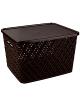 Корзина "Плетенка" с крышкой, 35х29х22,5 см (коричневая).





 Orthomol Immun Junior Сила иммунитета на страже Вашего ребенка