|
Practical Common LispFor example, a Lisper has recently written a library, AspectL, that adds support for aspect-oriented programming (AOP) to Common Lisp.[5] If AOP turns out to be the next big thing, Common Lisp will be able to support it without any changes to the base language and without extra preprocessors and extra compilers.[6] Where It Began Common Lisp is the modern descendant of the Lisp language first conceived by John McCarthy in 1956. Lisp circa 1956 was designed for "symbolic data processing"[7] and derived its name from one of the things it was quite good at: LISt Processing. We've come a long way since then: Common Lisp sports as fine an array of modern data types as you can ask for: a condition system that, as you'll see in Chapter 19, provides a whole level of flexibility missing from the exception systems of languages such as Java, Python, and C++; powerful facilities for doing object-oriented programming; and several language facilities that just don't exist in other programming languages. How is this possible? What on Earth would provoke the evolution of such a well-equipped language? Well, McCarthy was (and still is) an artificial intelligence (AI) researcher, and many of the features he built into his initial version of the language made it an excellent language for AI programming ...» | Код для вставки книги в блог HTML
phpBB
текст
|
|


 Беговел "Funny Wheels Basic" (цвет: оранжевый).





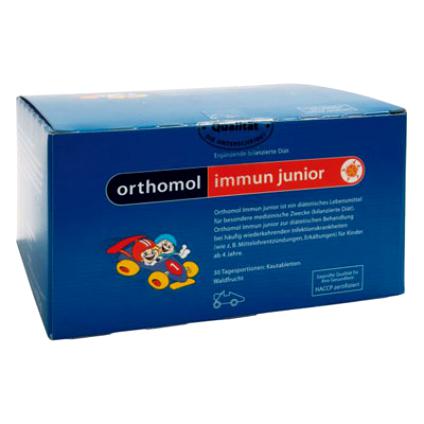 Orthomol Immun Junior Сила иммунитета на страже Вашего ребенка