|
FreakonomicsThe data, covering more than sixteen million births, included standard items such as name, gender, race, birth-weight, and the parentsБЂ™ marital status, as well as more telling factors about the parents: their zip code (which indicates socioeconomic status and a neighborhoodБЂ™s racial composition), their means of paying the hospital bill (again, an economic indicator), and their level of education. The California data prove just how dissimilarly black and white parents name their children. White and Asian-American parents, meanwhile, give their children remarkably similar names; there is some disparity between white and Hispanic-American parents, but it is slim compared to the black-white naming gap. The data also show the black-white gap to be a recent phenomenon. Until the early 1970s, there was a great overlap between black and white names. The typical baby girl born in a black neighborhood in 1970 was given a name that was twice as common among blacks than whites. By 1980 she received a name that was twenty times more common among blacks. (BoysБЂ™ names moved in the same direction but less aggressivelyБЂ”probably because parents of all races are less adventurous with boysБЂ™ names than girlsБЂ™.) Given the location and timing of this changeБЂ”dense urban areas where Afro-American activism was gathering strengthБЂ”the most likely cause of the explosion in distinctively black names was the Black Power movement, which sought to accentuate African culture and fight claims of black inferiority ...» | Код для вставки книги в блог HTML
phpBB
текст
|
|


 Карандаши полимерные "Elios", 24 цвета.



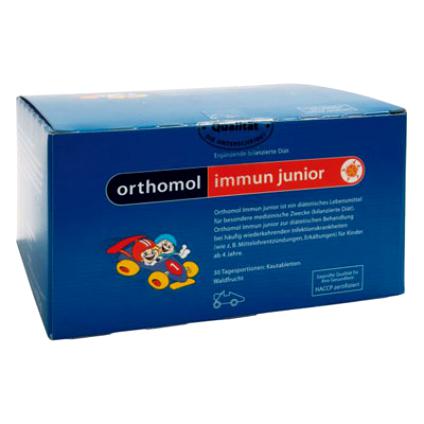 Orthomol Immun Junior Сила иммунитета на страже Вашего ребенка