|
A short history of nearly everythingБЂњAfter he reported finding БЂanimalculesБЂ™ . . .БЂ«Jardine, p. 93. БЂњthere were 8,280,000 of these tiny beings . . .БЂ«Thomas, p. 167. БЂњHe called the little beings БЂhomunculiБЂ™ . . .БЂ«Schwartz, p. 167. БЂњIn one of his least successful experiments . . .БЂ«Carey (ed.), The Faber Book of Science, p. 28. БЂњall living matter is cellular.БЂ«Nuland, p. 101. БЂњThe cell has been compared to many things . . .БЂ«Trefil, 101 Things You DonБЂ™t Know About Science and No One Else Does Either, p. 133; and Brown, p. 78. БЂњa jolt of twenty million volts per meter.БЂ«Brown, p. 87. БЂњapproximate consistency БЂof a light grade of machine oilБЂ™ . . .БЂ«Nuland, p. 103. БЂњup to a billion times a second . . .БЂ«Brown, p. 80. БЂњthe molecular world must necessarily remain . . .БЂ«De Duve, vol. 2, p. 293. БЂњ100 million protein molecules in each cell . . .БЂ«Nuland, p. 157. БЂњAt any given moment, a typical cell . . .БЂ«Alberts et al., p. 110. БЂњEvery day you produce and use up . . .БЂ«Nature, БЂњDarwinБЂ™s Motors,БЂ«May 2, 2002, p. 25 ...» | Код для вставки книги в блог HTML
phpBB
текст
|
|










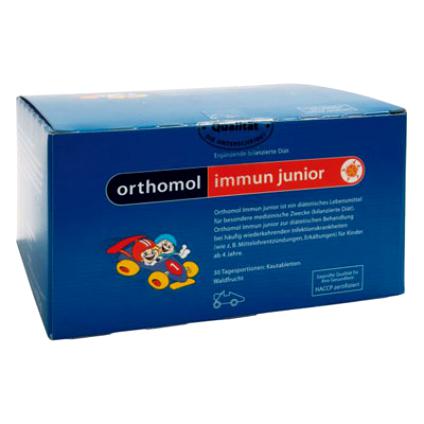 Orthomol Immun Junior Сила иммунитета на страже Вашего ребенка