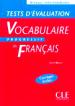
|
Practical Common LispFLET and LABELS are also useful operations to use in macro expansions—a macro can expand into code that contains a FLET or LABELS to create functions that can be used within the body of the macro. This technique can be used either to introduce functions that the user of the macro will call or simply as a way of organizing the code generated by the macro. This, for instance, is how a function such as CALL-NEXT-METHOD, which can be used only within a method definition, might be defined. A near relative to FLET and LABELS is the special operator MACROLET, which you can use to define local macros. Local macros work just like global macros defined with DEFMACRO except without cluttering the global namespace. When a MACROLET form is evaluated, the body forms are evaluated with the local macro definitions in effect and possibly shadowing global function and macro definitions or local definitions from enclosing forms. Like FLET and LABELS, MACROLET can be used directly, but it's also a handy target for macro-generated code—by wrapping some user-supplied code in a MACROLET, a macro can provide constructs that can be used only within that code or can shadow a globally defined macro ...» | Код для вставки книги в блог HTML
phpBB
текст
|
|


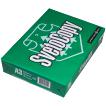 Бумага для принтера "Svetocopy", формат А3, 500 листов.
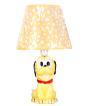 Лампа настольная, керамическая, с плафоном, арт. Е55494.
 Сумка-мини для раскрашивания "Модница" (контур-серебро).







 Orthomol Immun Junior Сила иммунитета на страже Вашего ребенка