|
The Columbia History of the British NovelWhen she draws a line down the center of her painting, completing it, Lily both connects and separates Mr. and Mrs. Ramsay at the same time as she links them to and severs them from herself. With some anger and much love, she is able to see the Victorian past, shattered by the war, as both crippling and entrancing, and she is finally able to put its beauty and tyranny, with her painting, away. To the Lighthouse relies primarily on metaphors of art and architecture to illustrate and contain the past; the past is a house and a picture, a blurred image to be recalled and exorcised. Woolf's next serious experimental novel, The Waves (1931), focuses not on the past but on the present, and relies not on images but on voices. Furthermore, her analysis of identity is even more fragmented: instead of isolating two protagonists who reflect and complete each other, she features six characters who collectively make up and disrupt a compound identity. As one might expect from the use of voice and soliloquy, the arts that Woolf draws upon and critically reshapes are those of drama and especially narrative ...» | Код для вставки книги в блог HTML
phpBB
текст
|
|


 Беговел "Funny Wheels Basic" (цвет: розовый).




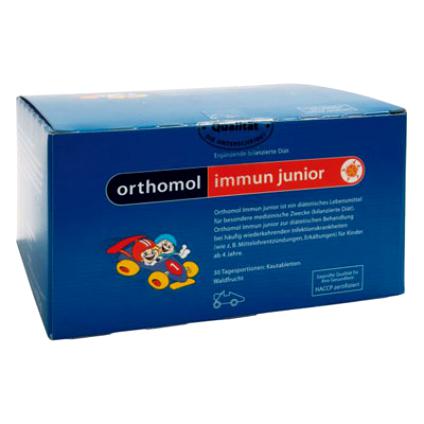 Orthomol Immun Junior Сила иммунитета на страже Вашего ребенка