|
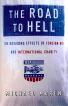
The World in 2050: Four Forces Shaping Civilization's Northern FutureThis practice was exemplified by the БЂњWashington Consensus,БЂ«a controversial list of hard-nosed reforms including trade deregulation, opening to direct foreign investment, and privatization of state enterprises.31 In the United States, presidents from both political parties also worked to dismantle international trade barriers. Of particular importance to this book was the North American Free Trade Agreement (NAFTA), proposed in 1991 by President George Herbert Walker Bush to remove trade barriers between the United States, Mexico, and Canada. Two years later, President Bill Clinton made NAFTA the cornerstone of his legacy. In his speech at the signing ceremony Clinton pressed the need БЂњto create a new world economy,БЂ«with former presidents Bush, Jimmy Carter, and Gerald Ford nodding in attendance. ClintonБЂ™s successor also agreed: Fifteen years later, citing a near-quintupling of U.S. free-trade agreements under his watch, outgoing president George W. Bush stated that global trade expansion had been one of the БЂњhighest priorities of his administration.БЂ«32 Notice that the origins of todayБЂ™s great global integration are at odds with one of its most widely promulgated myths: that globalization has emerged organically, born from fast Internet technology and the БЂњinvisible handБЂ«of free markets ...» | Код для вставки книги в блог HTML
phpBB
текст
|
|















 Orthomol Immun Junior Сила иммунитета на страже Вашего ребенка