|
Through the Language Glass, Why the World Looks Different in Other LanguagesБЂњGender studiesБЂ«are thus concerned with the social roles played by the two sexes rather than with the differences between their anatomies. Linguists, on the other hand, veered in exactly the opposite direction: they returned to the original meaning of the word, namely БЂњtypeБЂ«or БЂњkind,БЂ«and nowadays use it for any division of nouns according to some essential properties. These essential properties may be based on sex, but they do not have to be. Some languages, for example, have a gender distinction that is based only on БЂњanimacy,БЂ«the distinction between animate beings (people and animals of both sexes) and inanimate things. Other languages draw the line differently and make a gender distinction between human and non-human (animals and inanimate things). And there are also languages that divide nouns into much more specific genders. The African language Supyire from Mali has five genders: humans, big things, small things, collectives, and liquids. Bantu languages such as Swahili have up to ten genders, and the Australian language NganБЂ™gityemerri is said to have fifteen different genders, which include, among others, masculine human, feminine human, canines, non-canine animals, vegetables, drinks, and two different genders for spears (depending on size and material) ...» | Код для вставки книги в блог HTML
phpBB
текст
|
|


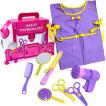 Набор "Парикмахер".
 Ножницы "Pigeon" для детских ногтей.
 Бизнес-блокнот "City vintage", синий, А4, 120 листов.







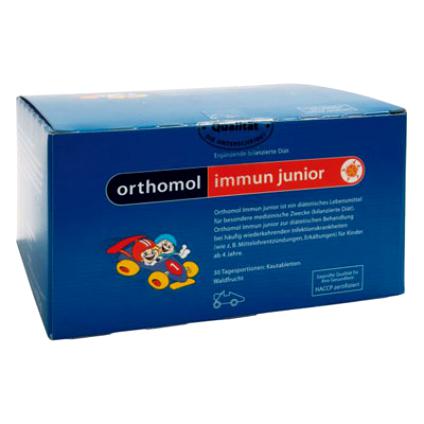 Orthomol Immun Junior Сила иммунитета на страже Вашего ребенка